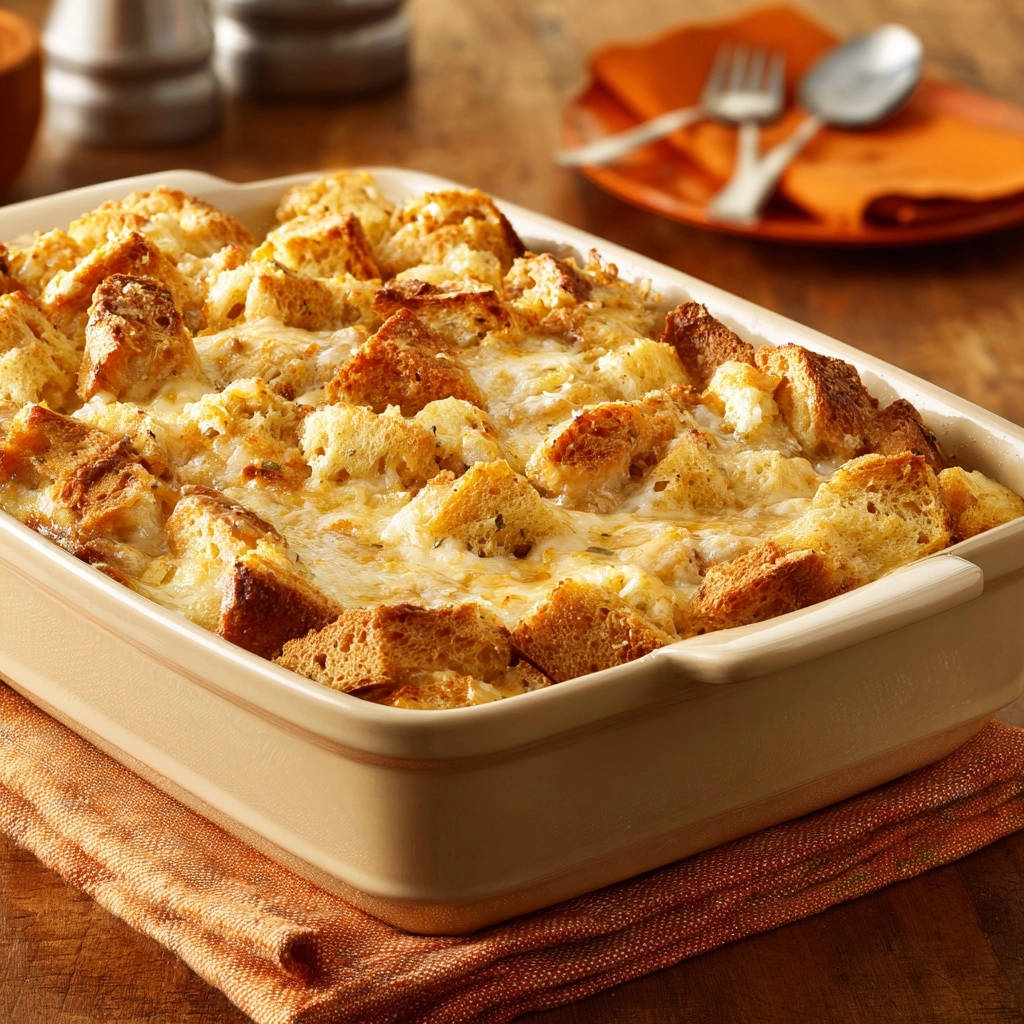
The quest for the perfect savory bread pudding often feels like a culinary tightrope walk: one misstep, and you're left with either a dry, unappetizing top or a soggy, mushy middle. But imagine a world where every spoonful delivers a harmonious blend of textures – a gloriously golden, irresistibly crispy crust yielding to a tender, deeply moist, and flavorful center. This isn't just a dream; it's an achievable reality. Through careful calibration and a touch of culinary wisdom, transforming humble ingredients into a sophisticated and comforting dish is surprisingly simple. This article will guide you to master the art of savory bread pudding, ensuring consistent perfection that will have everyone asking for the recipe.
The Quest for Textural Perfection: Why Most Savory Bread Puddings Fall Short
Many home cooks shy away from savory bread pudding, often haunted by past failures. The most common complaints stem from textural imbalances: a crust that's too soft or burnt, and an interior that ranges from dry and crumbly to an unappetizingly dense, wet mass. These frustrations are entirely understandable, as achieving the ideal balance requires more than just mixing ingredients and baking.
The secret to unlocking the perfect texture lies in a meticulously calibrated soaking time and a clever two-stage baking process. This method ensures that the bread cubes fully absorb the rich, flavorful custard without becoming waterlogged. Think of it as a gentle, patient dance between liquid and solid, allowing the bread to swell just enough to create a tender, custardy mouthfeel.
The initial phase, a covered bake, is critical. By covering the baking dish, you create a steaming environment within your oven. This gentle steaming action prevents the exterior from drying out too quickly and allows the heat to penetrate evenly, cooking the custard to a tender, jiggly perfection in the center. It’s like a mini sauna for your pudding, locking in moisture. Once the internal structure is set, the cover comes off, allowing the surface to be exposed to the direct heat of the oven. This is where the magic of the golden-brown, crispy top truly develops, creating that coveted textural contrast that elevates the entire dish. This controlled process is the cornerstone of a savory bread pudding that's never mushy and never dry.
Beyond Basic: Crafting Extraordinary Flavor from Simple Ingredients
One of the most appealing aspects of savory bread pudding is its ability to transform everyday pantry staples into something truly extraordinary. You don't need exotic ingredients to create a deeply satisfying and complex flavor profile. The beauty lies in understanding how accessible components interact and build upon each other.
At its heart, this dish is a testament to the power of layering flavors. Aromatic allies like finely chopped onion and garlic form the foundational savory base, imparting depth and warmth. These humble vegetables, when gently sautéed, release their essential oils and sweetness, creating a robust background for the star ingredients. Rich dairy components – a thoughtful blend of milk and cream – bind everything together, infusing the bread with an unparalleled creaminess. And of course, no savory bread pudding would be complete without cheese. Whether it's the sharp tang of aged cheddar, the nutty notes of Gruyère, or the pungent saltiness of Parmesan, cheese contributes not only a delicious flavor but also a wonderfully gooey texture that melts into the bread and forms a delightful crust on top.
But don't stop there! Think about enhancing these core flavors. A pinch of freshly grated nutmeg can add a subtle, warm complexity. A touch of Dijon mustard can brighten the custard and add a slight piquancy. For a hint of heat, a dash of hot sauce or a whisper of smoked paprika can introduce an exciting dimension. This isn't your grandmother's sweet dessert version – we're talking about a rich, custardy masterpiece loaded with herbs, cheese, and vegetables that works beautifully as a side dish or main course. For more ideas on how to make this dish your own, explore The Versatile Savory Bread Pudding: Your New Go-To Dish.
The Foundation: Selecting Your Bread for Ultimate Success
The bread is more than just a filler; it's the structural backbone and textural canvas of your savory bread pudding. Making the right choice here is paramount to achieving that coveted crispy top and moist center.
Why Day-Old Bread is Non-Negotiable
This is arguably the most crucial tip: always use day-old bread, or even bread that's a couple of days old. Fresh bread is simply too soft and contains too much moisture. When fresh bread is introduced to the liquid custard, it tends to over-absorb, quickly becoming waterlogged and resulting in a heavy, mushy texture. Day-old bread, on the other hand, has slightly dried out, allowing it to soak up the flavorful custard like a sponge without dissolving into an indistinguishable pulp. It retains just enough integrity to provide structure and chew, contributing significantly to the desired texture. If you only have fresh bread, you can mimic day-old bread by cubing it and spreading it on a baking sheet, then leaving it out at room temperature for several hours or lightly toasting it in a low oven for 10-15 minutes until just crisp around the edges.
Sturdy Loaves for Structural Integrity
Beyond its age, the type of bread you choose also plays a vital role. Opt for sturdy, dense loaves that can stand up to the soaking process without disintegrating. Excellent choices include:
- Sourdough: Its tangy flavor adds another layer of complexity, and its robust crumb holds its shape beautifully.
- French Bread or Baguette: These offer a good crust-to-crumb ratio and a neutral flavor that allows other ingredients to shine.
- Challah: While slightly richer, challah's tight crumb can work well, offering a more tender final product.
- Brioche: For an extra-indulgent and slightly sweet-savory twist, brioche is a fantastic choice, though it will produce a very rich pudding.
Avoid very soft, airy sandwich breads, as these lack the necessary structure and will likely turn to mush. Cut your chosen bread into roughly 1-inch cubes. Uniformity in size is key here, as it ensures consistent absorption of the custard and even baking, contributing to a consistently moist interior.
Aromatic Allies and Creamy Custards: Building Your Flavor Profile
While bread forms the foundation, the true magic of savory bread pudding lies in its aromatic base and rich, custardy binding.
The Heart of Savory: Onion, Garlic, and Herbs
These triumvirate ingredients are indispensable. Onion and garlic, when finely chopped and gently sautéed, create an aromatic layer that permeates every bite. The caramelization of the onions adds a subtle sweetness that balances the savory notes. Classic dried herbs like thyme and sage are perfect partners, bringing warmth and an earthy depth that evokes comfort. Consider adding fresh herbs too, like chopped rosemary or chives, stirred in at the end for a brighter, more vibrant flavor. Sautéing your aromatics before adding them to the bread mixture is a crucial step; it mellows their raw edges and enhances their inherent flavors, making them an integral part of the pudding rather than just an addition.
The Richness of the Custard Base
The custard is the lifeblood of your bread pudding, responsible for its moist interior. It typically consists of eggs, milk, and cream. Eggs provide the binding and richness, setting the pudding as it bakes. Milk contributes liquid for absorption, while cream (or half-and-half) adds luxurious body and a silky mouthfeel. The ratio of eggs to dairy is crucial: too many eggs can result in a rubbery texture, while too little can leave the pudding watery and unset. A good starting point is usually 4-6 large eggs per 2-3 cups of dairy. Don't forget proper seasoning here; salt and freshly ground black pepper are a must, but a dash of cayenne pepper or a pinch of smoked paprika can elevate the flavor significantly.
Cheese: The Ultimate Savory Enhancer
Cheese isn't just an optional extra; it's a vital component that adds saltiness, umami, and a creamy texture. It also creates a beautiful, melted crust on top. Popular choices include:
- Gruyère: Offers a nutty, earthy flavor that melts beautifully.
- Sharp Cheddar: Provides a robust, tangy bite.
- Parmesan: Adds a salty, savory punch, especially when grated finely and sprinkled on top.
- Fontina or Mozzarella: For a milder, extra-melty experience.
For the best flavor and melting quality, always grate your own cheese from a block rather than using pre-shredded varieties, which often contain anti-caking agents that can affect texture.
Beyond the Basics: Customization and Serving Suggestions
The true brilliance of savory bread pudding lies in its incredible versatility. Once you've mastered the basic technique, the possibilities for customization are virtually endless, making it a true kitchen hero.
Endless Adaptability: Making It Your Own
Think of your savory bread pudding as a canvas awaiting your personal touch. You can easily incorporate a wide array of ingredients based on what you have on hand or what flavors you crave:
- Vegetables: Sautéed mushrooms, caramelized onions, roasted red peppers, blanched spinach, asparagus tips, or even leftover roasted root vegetables can be folded into the mix. Ensure vegetables are cooked and drained of excess moisture to prevent a watery pudding.
- Proteins: Cooked and crumbled sausage (sage sausage works wonderfully), crispy bacon bits, diced ham, shredded chicken, or even smoked salmon can transform this dish into a hearty main course.
- Spices: Experiment with different spice profiles – a touch of curry powder for an Indian-inspired twist, a pinch of chili flakes for heat, or even a hint of za'atar for a Mediterranean flair.
The magic happens when stale bread soaks up a seasoned egg mixture, creating layers of flavor that develop into golden, pillowy perfection. For an even deeper dive into easy customization, check out Transform Day-Old Bread: Easy Savory Bread Pudding Recipe.
Versatility on Your Plate
This dish is remarkably adaptable to any mealtime or occasion:
- Breakfast or Brunch Showstopper: Serve it warm with a perfectly fried or poached egg on top, perhaps with a drizzle of hollandaise sauce or a sprinkle of fresh chives. It’s an elevated alternative to French toast or quiche.
- Hearty Side Dish: It makes an incredible accompaniment to roasted meats like chicken, pork loin, or even a holiday turkey. Its rich flavor and satisfying texture beautifully complement a main course.
- Delightful Light Dinner or Lunch: Enjoy a generous slice on its own, perhaps alongside a simple green salad with a bright vinaigrette. It's comforting and filling without being overly heavy.
Savory bread pudding can also be made ahead of time, assembled and refrigerated overnight before baking, making it perfect for entertaining. To reheat leftovers, cover them loosely with foil and warm in a moderate oven until heated through, removing the foil for the last few minutes to re-crisp the top.
Mastering savory bread pudding is a rewarding culinary journey that culminates in a dish of unparalleled comfort and sophistication. By understanding the crucial role of day-old, sturdy bread, embracing a two-stage baking process, and thoughtfully layering your flavors with aromatics, rich dairy, and cheese, you can consistently achieve that elusive crispy top and moist, tender center. This versatile dish is more than just a recipe; it's a blueprint for transforming humble ingredients into a culinary triumph, perfect for any meal or occasion. Embrace the process, customize with confidence, and prepare to delight your taste buds and impress your guests with your newfound expertise in the art of savory bread pudding.
