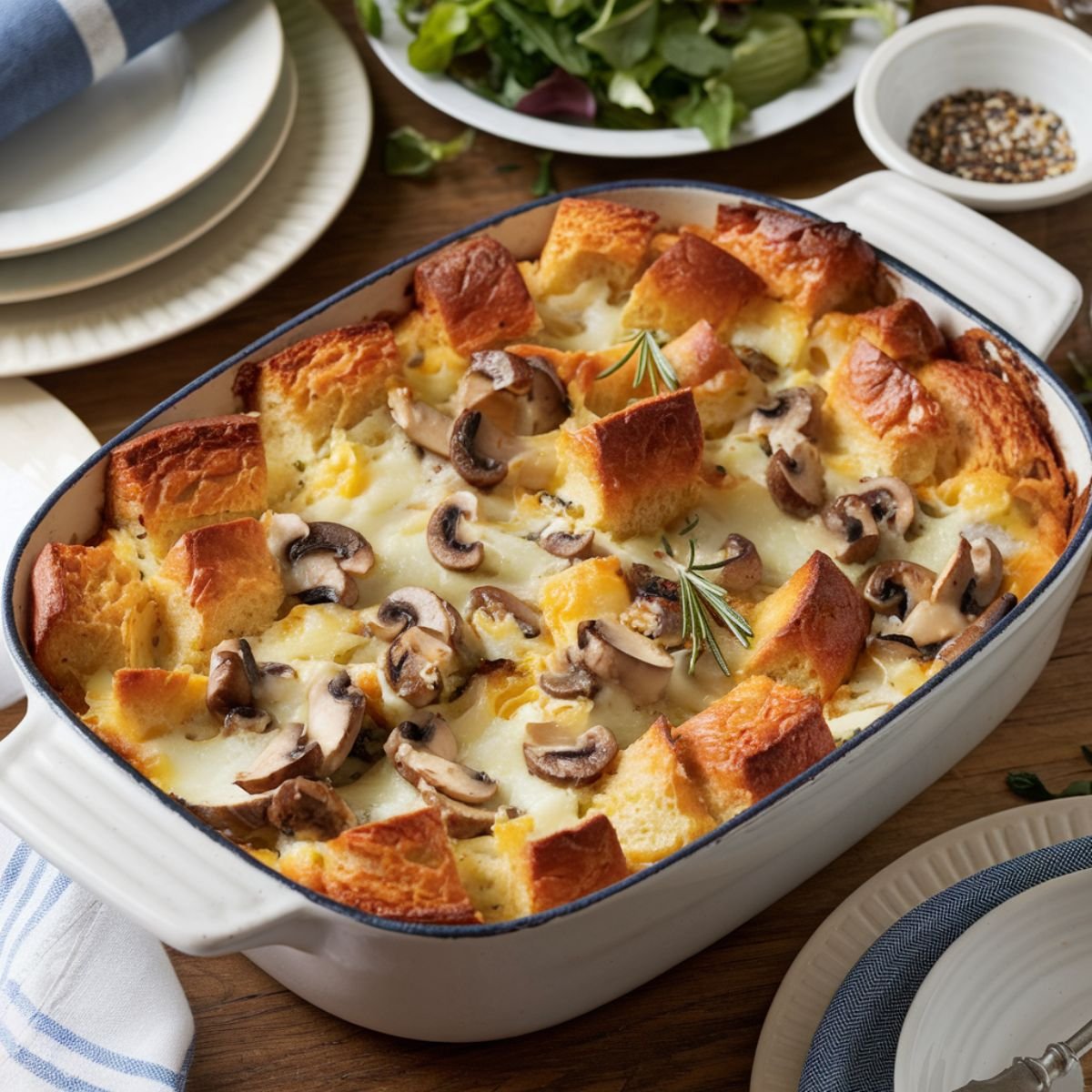
Transform Day-Old Bread into a Culinary Masterpiece: Your Easy Savory Bread Pudding Recipe
Every kitchen has them: those forgotten crusts, the slightly stale loaf of bread begging for a second life. Instead of relegating it to crouton duty or, worse, the bin, imagine transforming it into a deeply comforting, endlessly versatile dish that earns rave reviews. Enter
savory bread pudding – a culinary alchemy that elevates humble, day-old bread into an extraordinary experience, boasting a golden, crispy crust and a tender, custardy interior. This isn't your grandmother's sweet dessert; this is a sophisticated twist, packed with rich flavors and perfect for any meal.
For too long, achieving the perfect savory bread pudding felt like a quest fraught with peril: dry tops, mushy middles, or a lack of cohesive flavor. But through dedicated experimentation, a method has been perfected that guarantees success every single time. This article will guide you through creating an irresistible savory bread pudding that’s surprisingly simple to master, proving that a little expertise can turn accessible ingredients into a triumph of taste and texture.
The Culinary Alchemy: Why Savory Bread Pudding Reigns Supreme
This savory bread pudding recipe isn't just another dish to add to your repertoire; it’s a reliable blueprint for consistent culinary success that tackles common baking frustrations head-on. Its magic lies in its ability to transform simple, everyday components into something truly spectacular, demonstrating that extraordinary flavor doesn't require exotic ingredients. It's a comforting dish, yes, but also incredibly elegant, making it suitable for a casual family brunch or a more formal dinner party.
What makes this dish an absolute "go-to" is its incredible versatility and forgiving nature. It offers a unique combination of rich, custardy texture, robust savory notes, and that utterly satisfying crispy top. Beyond just being a delicious meal, it’s also an incredible solution for reducing food waste by giving day-old bread a delicious purpose. Forget the days of settling for a subpar bread pudding; this method ensures a delightful result with minimal fuss, making you feel like a seasoned chef with every serving.
Mastering the Perfect Texture: The Secret to a Mushy-Free, Dry-Proof Pudding
The quest for the ideal savory bread pudding often ends in frustration, either with a soggy, unappealing middle or a dry, crumbly top. The secret to this recipe’s consistent success, however, lies in a carefully calibrated approach that ensures the bread fully absorbs the flavorful custard without becoming waterlogged, and then bakes to perfection. To achieve this elusive balance of a tender, custardy center and an irresistible golden-brown, crispy crust, we employ two critical techniques: the right bread and a precise two-stage baking process.
First, let's talk about the bread. The foundation of your savory bread pudding starts with
day-old bread. This isn't a mere suggestion; it's crucial. Fresh bread is simply too soft and contains too much moisture, which can lead to a mushy texture as it over-absorbs the liquid. Stale bread, on the other hand, has a slightly drier, firmer structure that allows it to soak up the custard without disintegrating, holding its shape beautifully and contributing to that desirable custardy bite. For the best results, opt for sturdy, dense loaves like sourdough, French baguettes, country white bread, or even brioche (if you enjoy a touch of subtle sweetness). These varieties provide excellent structural integrity and a rich flavor base. If you only have fresh bread on hand, you can cube it and spread it on a baking sheet, then toast it in a 300°F (150°C) oven for 10-15 minutes until lightly dried out.
Once your bread is ready to soak, the magic continues in the oven with a
clever two-stage baking process. This method is the key to achieving that "perfect balance":
1.
The Initial Covered Bake: The pudding begins its journey in the oven covered with foil. This initial phase gently steams the pudding, allowing the custard to set slowly and evenly. The moisture trapped by the foil creates a humid environment, which prevents the top from drying out prematurely and ensures a tender, custardy interior from edge to center. This is where the creamy, melt-in-your-mouth texture develops.
2.
The Final Uncovered Phase: After a period of covered baking, the foil is removed. This allows the direct heat of the oven to work its magic on the surface. The moisture on top evaporates, and the bread begins to toast and brown, creating that coveted golden-brown, irresistibly crispy crust. This textural contrast between the crunchy top and the soft, rich interior is what elevates a good savory bread pudding to a truly great one.
Monitoring your oven temperature, ensuring it’s properly preheated, and trusting your instincts for visual cues (golden-brown, puffy, and slightly jiggly in the center) will guarantee this flawless texture every time. To ensure you achieve this perfect balance every time, delve deeper into our methods outlined in
Master Savory Bread Pudding: Crispy Top, Moist Center.
Building Flavor from the Ground Up: Essential Ingredients for Your Savory Masterpiece
You don’t need exotic components to create something truly special. This recipe thrives on the transformation of everyday pantry staples into a deeply satisfying and complex savory bread pudding. Understanding the role of each ingredient is key to appreciating this dish’s unique charm and ensuring the final outcome is nothing short of extraordinary.
*
The Foundation: Your Bread Choice
As discussed,
day-old, sturdy bread is paramount. Think sourdough with its tangy depth, a rustic French boule for its robust crumb, or even a denser challah or brioche for added richness. Cubing the bread into roughly 1-inch pieces maximizes surface area for custard absorption while maintaining structural integrity.
*
Aromatic Allies: Onion, Garlic, and Herbs
These form the soul of your savory bread pudding. Finely chopped
onion and garlic, gently sautéed until translucent, create a foundational layer of deep, savory flavor. Their subtle sweetness enhances the overall profile without overpowering. For herbs,
dried thyme and sage are classic choices, imparting warmth, earthiness, and that quintessential comforting aroma. You could also experiment with dried rosemary or a touch of oregano. If using fresh herbs, double the quantity for a more vibrant punch, adding them closer to the end of sautéing to preserve their delicate flavor.
*
The Rich Custard Base
The custard is what binds everything together, infusing the bread with moisture and flavor.
*
Eggs: These are the essential binder, providing structure and contributing to the rich, creamy texture. We use a generous amount to ensure a truly custardy interior.
*
Dairy: A combination of
milk and heavy cream offers the best of both worlds – the body of milk with the luxurious richness of cream. Whole milk is preferred for its fat content, but you can adjust ratios based on desired decadence. For a slightly lighter version, use half-and-half.
*
Seasoning: Beyond just salt and freshly ground black pepper, consider a pinch of
mustard powder (which adds an incredible savory depth without tasting like mustard) and a whisper of
nutmeg. Nutmeg has a magical way of enhancing savory dishes, bringing out other flavors and adding warmth.
*
The Cheesy Embrace
Cheese is non-negotiable in a savory bread pudding, providing sharp, tangy, or nutty notes and that irresistible pull. Grated
Gruyere offers nutty complexity and excellent melting properties.
Sharp cheddar brings a familiar, robust tang, while
Parmesan Reggiano adds a salty, umami depth. Don't be shy about combining cheeses to create a layered flavor profile!
*
Optional Add-ins for Enhanced Flavor & Versatility
This is where your creativity can truly shine! The beauty of savory bread pudding lies in its adaptability.
*
Vegetables: Sautéed mushrooms, wilted spinach, roasted bell peppers, or caramelized leeks can add incredible texture and flavor.
*
Meats: Crumbled cooked sausage, crispy bacon bits, diced ham, or shredded cooked chicken transform it into a heartier main course.
*
Spices: A pinch of red pepper flakes for a subtle kick, or a dash of smoked paprika for earthy warmth.
For more ideas on how to customize your bread pudding for any occasion, explore
The Versatile Savory Bread Pudding: Your New Go-To Dish.
Crafting Your Savory Bread Pudding: A Step-by-Step Guide for Success
Making savory bread pudding is a straightforward process, but following these steps carefully ensures a flawless result.
1.
Prepare Your Bread: Cube your day-old bread into roughly 1-inch pieces. If it feels too soft, spread it on a baking sheet and toast lightly in a preheated oven until slightly dried.
2.
Sauté Aromatics: In a skillet, gently sauté finely chopped onion and garlic until soft and translucent. This step builds the critical flavor base. Stir in your dried herbs, allowing their fragrance to bloom. Let cool slightly.
3.
Whisk the Custard: In a large bowl, whisk together the eggs, milk, cream, salt, pepper, mustard powder, and nutmeg until well combined and frothy. This ensures all the seasonings are evenly distributed.
4.
Combine Ingredients: In an even larger bowl, combine the cubed bread, sautéed aromatics, and most of your grated cheese (reserve some for the top). Pour the prepared custard over the bread mixture. Gently toss everything together, ensuring all the bread cubes are thoroughly coated.
5.
Soak for Success: Let the mixture sit for at least 30 minutes, or even up to an hour, allowing the bread to fully absorb the liquid. This crucial soaking time is key to a moist, custardy interior and prevents dryness. You can even refrigerate it overnight for deeper flavor development.
6.
Assemble and Bake: Pour the soaked bread pudding mixture into a lightly greased baking dish. Sprinkle the remaining cheese evenly over the top. Cover the baking dish tightly with foil.
7.
Two-Stage Baking: Bake in a preheated oven (usually around 375°F/190°C) for the initial covered period (typically 30-40 minutes). Then, remove the foil and continue baking for another 20-30 minutes, or until the top is golden brown and crispy, and the center is set (a knife inserted comes out mostly clean).
8.
Rest and Serve: Allow the savory bread pudding to rest for 10-15 minutes after baking. This helps it set further and makes for cleaner slices.
Serving Suggestions & Customization Ideas
The beauty of savory bread pudding lies in its chameleon-like ability to fit into any meal. For a show-stopping
breakfast or brunch, serve it warm with a perfectly fried or poached egg on top, perhaps with a drizzle of hollandaise or a side of crispy bacon. As a
hearty side dish, it pairs beautifully with roasted chicken, pork loin, or a simple steak, offering a comforting alternative to potatoes or rice. For a delightful
light dinner, serve a generous slice on its own alongside a crisp green salad with a bright vinaigrette.
Don't hesitate to experiment with different cheeses, incorporate leftover roasted vegetables, or add cooked meats like diced ham or crumbled sausage to truly make this recipe your own. You can even prepare the pudding the night before, cover it, and refrigerate, then bake it fresh the next day – perfect for entertaining!
Conclusion
From a forgotten loaf to a memorable meal, this easy savory bread pudding recipe truly transforms day-old bread into a culinary triumph. By understanding the importance of sturdy bread, mastering the two-stage baking process, and layering thoughtful ingredients, you can confidently create a dish with that elusive perfect balance of crispy top and moist, flavorful center. It's a testament to how simple ingredients, combined with a little kitchen wisdom, can yield extraordinary results. So go ahead, rescue that stale bread, and embark on a delicious journey that will leave you and your guests utterly delighted.